“Every six months” is the answer most people have heard their whole life, and for a lot of patients, it’s still the right guideline. But it’s not a universal rule, and understanding why can help you actually protect your teeth (and any cosmetic work you’ve invested in) instead of just going through the motions.
Where the Six-Month Rule Comes From
The standard interval works well for patients with healthy gums, no major risk factors, and good home care. It gives your hygienist a chance to catch plaque buildup, early decay, or gum inflammation before it becomes a bigger problem.
When You Might Need Cleanings More Often
Several factors can mean three- or four-month intervals are actually the better call:
- A history of gum disease (periodontitis), which needs closer monitoring to stay controlled
- Smoking or vaping, which increases plaque buildup and gum disease risk
- Diabetes, which affects healing and gum health
- Pregnancy, due to hormonal effects on the gums
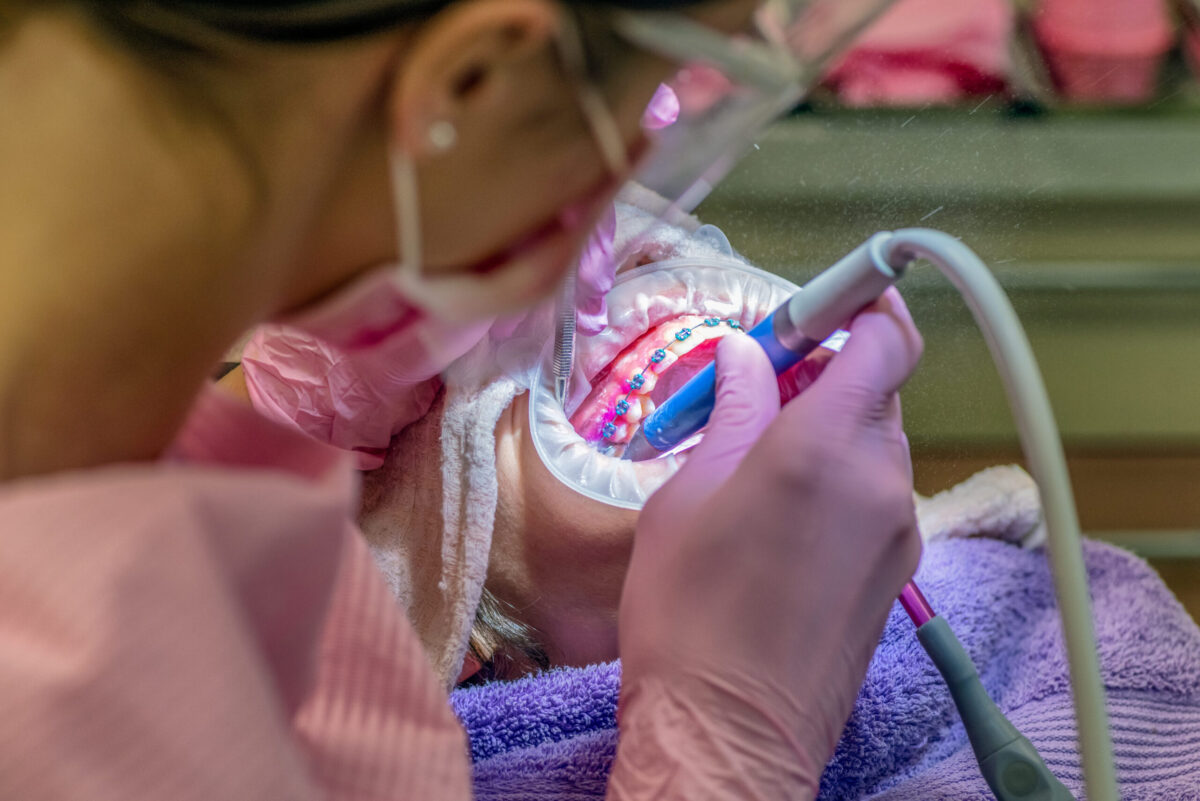
- Orthodontic treatment (braces or Invisalign), where extra plaque traps are common
- A tendency to build up tartar quickly, regardless of brushing habits
When Every Six Months Is Genuinely Enough
If you have healthy gums, no cavities in recent visits, and consistent home care, six months is typically the right cadence; there is no need to over-treat.
Why This Matters Even More If You Have Cosmetic Work
If you’ve invested in veneers, crowns, or implants, your cleaning schedule isn’t just about cavity prevention it’s about protecting that investment. Gum health directly affects how veneers and crowns look and last, and implants need healthy surrounding tissue to stay stable long-term.
What Happens If You Skip
Skipped cleanings don’t usually cause immediate problems, which is exactly why it’s easy to keep pushing them off. But plaque hardens into tartar that only a professional cleaning can remove, and early gum inflammation can progress into gum disease before you notice symptoms.
Finding Your Right Interval
The only way to know your ideal schedule is having it assessed directly. Book a dental checkup and cleaning, and we’ll tell you honestly what interval makes sense for your mouth, not just the default answer.
“Every six months” is the answer most people have heard their whole life, and for a lot of patients, it’s still the right guideline. But it’s not a universal rule, and understanding why can help you actually protect your teeth (and any cosmetic work you’ve invested in) instead of just going through the motions.
Where the Six-Month Rule Comes From
The standard interval works well for patients with healthy gums, no major risk factors, and good home care. It gives your hygienist a chance to catch plaque buildup, early decay, or gum inflammation before it becomes a bigger problem.
When You Might Need Cleanings More Often
Several factors can mean three- or four-month intervals are actually the better call:
- A history of gum disease (periodontitis), which needs closer monitoring to stay controlled
- Smoking or vaping, which increases plaque buildup and gum disease risk
- Diabetes, which affects healing and gum health
- Pregnancy, due to hormonal effects on the gums
- Orthodontic treatment (braces or Invisalign), where extra plaque traps are common
- A tendency to build up tartar quickly, regardless of brushing habits
When Every Six Months Is Genuinely Enough
If you have healthy gums, no cavities in recent visits, and consistent home care, six months is typically the right cadence; there is no need to over-treat.
Why This Matters Even More If You Have Cosmetic Work
If you’ve invested in veneers, crowns, or implants, your cleaning schedule isn’t just about cavity prevention it’s about protecting that investment. Gum health directly affects how veneers and crowns look and last, and implants need healthy surrounding tissue to stay stable long-term.
What Happens If You Skip
Skipped cleanings don’t usually cause immediate problems, which is exactly why it’s easy to keep pushing them off. But plaque hardens into tartar that only a professional cleaning can remove, and early gum inflammation can progress into gum disease before you notice symptoms.
Finding Your Right Interval
The only way to know your ideal schedule is having it assessed directly. Book a dental checkup and cleaning, and we’ll tell you honestly what interval makes sense for your mouth, not just the default answer.