If you’re an adult thinking about straightening your teeth, you’re not alone — and you’re not stuck choosing between metal brackets and living with the smile you have. Invisalign has made orthodontic treatment far more realistic for busy adults, but it’s not automatically the right fit for every case. Here’s how it actually compares to traditional braces.
Appearance and Discretion
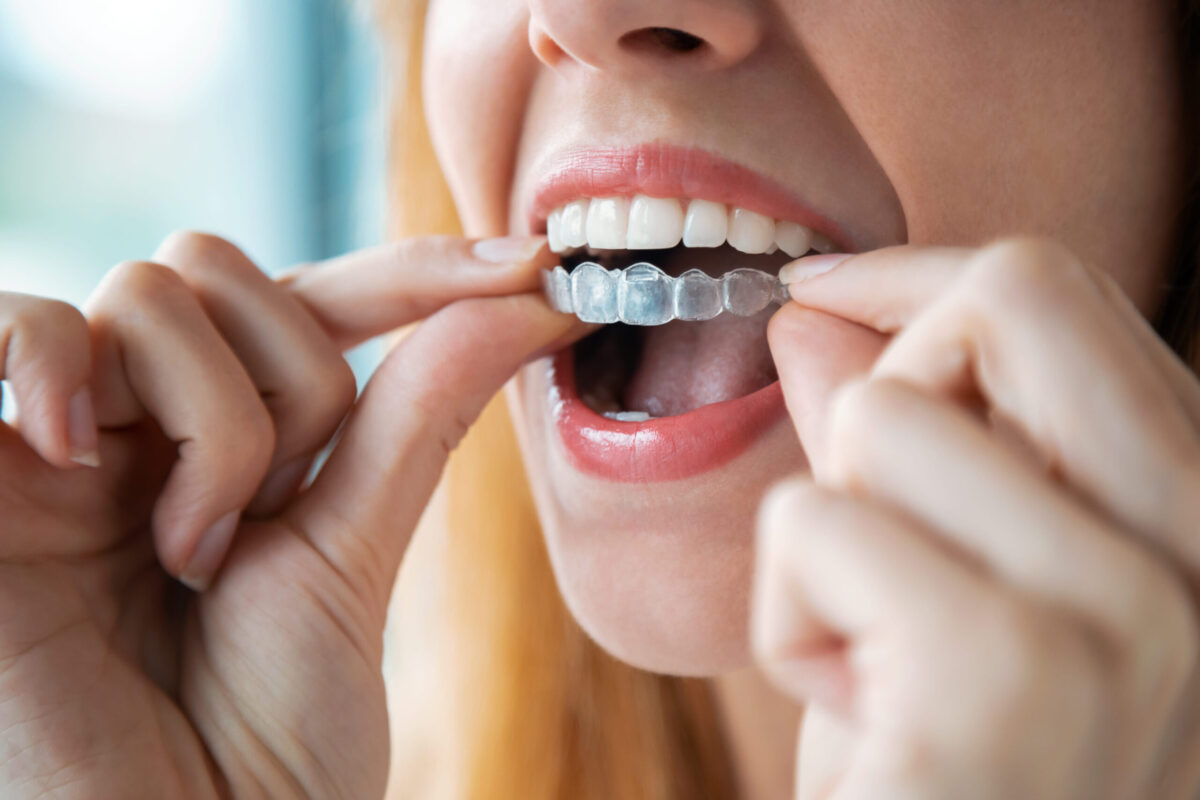
Traditional braces are visible from across the room. Invisalign’s clear aligners are nearly invisible in conversation and in photos — a big reason so many of our adult patients in Boca Raton choose it, especially those in client-facing careers or who simply don’t want “brace face” during a wedding season, a job change, or a big year of travel.
Comfort and Lifestyle
Braces involve brackets and wires that can irritate the inside of your mouth and require ongoing adjustments. Invisalign aligners are smooth plastic, removable for eating and brushing, and don’t restrict what foods you can enjoy. The tradeoff is discipline — aligners only work if you wear them 20–22 hours a day.
Treatment Time
For mild to moderate crowding, spacing, or bite issues, Invisalign often finishes in 6–18 months, sometimes faster than comparable braces treatment. More complex bite corrections or significant crowding may still favor traditional braces or a longer Invisalign protocol. This is really the crux of the “which is right for me” question, and it’s specific to your bite — not a one-size-fits-all answer.
Cost and Insurance
Invisalign and braces are typically priced similarly for comparable cases, and most dental insurance plans that cover orthodontics treat them the same way. At Aspiring Smiles, we walk through your specific cost and any financing options — including third-party plans — during your consultation, so there are no surprises.
Who’s a Good Candidate for Invisalign
Invisalign handles most common issues well: crowding, gaps, mild-to-moderate bite problems, and relapse after previous orthodontic treatment. More severe bite discrepancies or certain tooth-rotation cases may need a hybrid approach or traditional braces. The only way to know for sure is a proper evaluation with digital imaging.
The Next Step
The best way to find out which option fits your smile, your timeline, and your budget is a consultation where we can actually look at your bite. Call 561-208-1988 to book an Invisalign consultation with Dr. Gena Pineda, or book on-line at www.aspiringsmilesbocaraton.com, and get a clear, honest answer — no guessing required.
If you’re an adult thinking about straightening your teeth, you’re not alone — and you’re not stuck choosing between metal brackets and living with the smile you have. Invisalign has made orthodontic treatment far more realistic for busy adults, but it’s not automatically the right fit for every case. Here’s how it actually compares to traditional braces.
Appearance and Discretion
Traditional braces are visible from across the room. Invisalign’s clear aligners are nearly invisible in conversation and in photos — a big reason so many of our adult patients in Boca Raton choose it, especially those in client-facing careers or who simply don’t want “brace face” during a wedding season, a job change, or a big year of travel.
Comfort and Lifestyle
Braces involve brackets and wires that can irritate the inside of your mouth and require ongoing adjustments. Invisalign aligners are smooth plastic, removable for eating and brushing, and don’t restrict what foods you can enjoy. The tradeoff is discipline — aligners only work if you wear them 20–22 hours a day.
Treatment Time
For mild to moderate crowding, spacing, or bite issues, Invisalign often finishes in 6–18 months, sometimes faster than comparable braces treatment. More complex bite corrections or significant crowding may still favor traditional braces or a longer Invisalign protocol. This is really the crux of the “which is right for me” question, and it’s specific to your bite — not a one-size-fits-all answer.
Cost and Insurance
Invisalign and braces are typically priced similarly for comparable cases, and most dental insurance plans that cover orthodontics treat them the same way. At Aspiring Smiles, we walk through your specific cost and any financing options — including third-party plans — during your consultation, so there are no surprises.
Who’s a Good Candidate for Invisalign
Invisalign handles most common issues well: crowding, gaps, mild-to-moderate bite problems, and relapse after previous orthodontic treatment. More severe bite discrepancies or certain tooth-rotation cases may need a hybrid approach or traditional braces. The only way to know for sure is a proper evaluation with digital imaging.
The Next Step
The best way to find out which option fits your smile, your timeline, and your budget is a consultation where we can actually look at your bite. Call 561-208-1988 to book an Invisalign consultation with Dr. Gena Pineda, or book on-line at www.aspiringsmilesbocaraton.com, and get a clear, honest answer — no guessing required.