
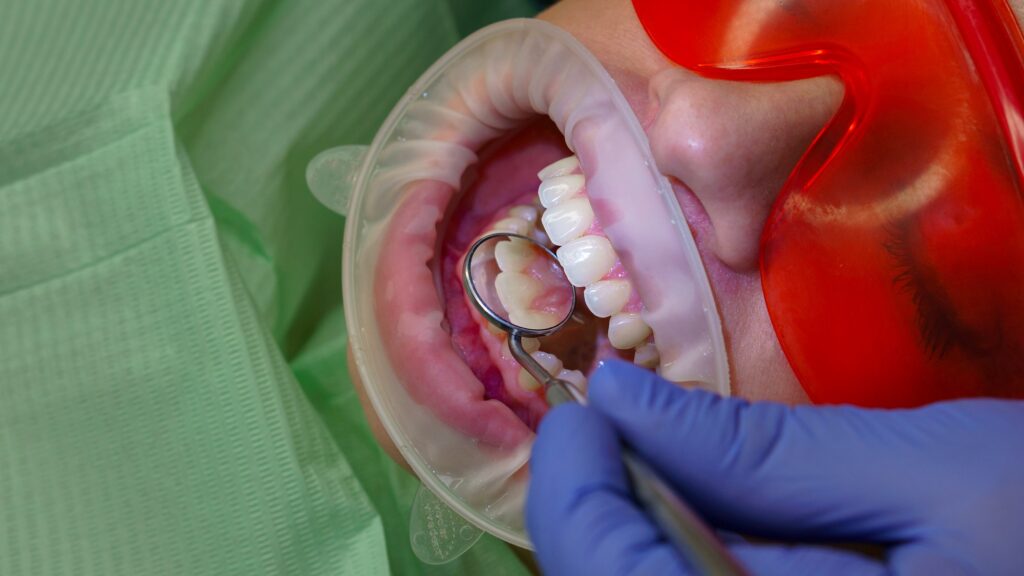
People frequently experience gum disease which serves as a severe dental condition that impacts the tissues which hold their teeth in place. The disease starts with slow development which people often fail to recognize until it reaches its advanced stage but untreated cases will progress to gum recession and bone loss and tooth loss. The field of modern dentistry provides multiple effective treatment methods which range from basic deep cleaning techniques to complex surgical and regenerative treatment systems. The various available options enable patients to make quick decisions which help them maintain their dental health throughout their lives.
Understanding Gum Disease
Gum disease exists as a periodontal disease which develops when plaque accumulates because it forms a sticky bacterial film that covers teeth throughout each day. The bacteria in the mouth will multiply because plaque removal requires proper brushing and flossing but plaque will turn into tartar which will irritate the gums. The gum tissue develops an infection through the process of inflammation which begins with its initial stage of irritation.
The initial stage of gingivitis leads to red and swollen gums which show a tendency to bleed during brushing and flossing. At this stage, professional treatment together with better mouth care practices can reverse gum disease. The untreated gingivitis condition will develop into periodontitis. This advanced stage of the disease results in mouth infection that spreads under the gumline which destroys the tissue and bone that supports the teeth. The complexity of treatment increases as teeth start to become loose and fall out.
Gum Disease Treatment Options
The type of treatment recommended depends on how advanced the gum disease is and how the patient shows results from their first treatment. Dentists and periodontists create personalized treatment plans to control infection and restore gum health and prevent further damage.
Professional Deep Cleaning (Scaling and Root Planing)
The initial treatment for mild to moderate gum disease begins with deep cleaning. The procedure which does not require surgery eliminates plaque and tartar from all areas of the gumline. Scaling cleans the tooth surfaces, while root planing smooths the roots to help gums reattach and reduce bacterial buildup. Deep cleaning needs local anesthesia which requires multiple appointments, but it effectively reduces inflammation and stops disease progression.
Antibiotic Therapy
In cases where bacterial infection is more persistent, healthcare providers use antibiotics together with deep cleaning methods. The medication can be used through gum pockets or taken as an oral treatment to help manage bacteria and assist with the recovery process. The treatment requires professional cleaning services because antibiotics serve as supporting medication.
Periodontal Maintenance Cleanings
Once the treatment for the initial gum infection has ended, individuals with a previous history of gum problems need more frequent cleanings than the regular six-month intervals. Instead, periodontal maintenance intervals usually occur every three or four months and emphasize the need for clean gum pockets and the prevention of reinfection.
Flap Surgery (Pocket Reduction Surgery)
Flap surgery becomes necessary after non-surgical treatment because deep pockets between gums and teeth remain from advanced gum disease. The procedure requires dental professionals to gently lift gums so they can access and clean deep areas of the mouth. The dental team positions the gums back into place after surgery to create shallower pockets, which helps patients maintain their oral hygiene and control bacterial infections.
Bone and Soft Tissue Grafting
Advanced gum disease can cause receding gums. Bone grafting can be used to rebuild lost bones, while soft tissue grafting can be used to repair gums. Bone and tissue grafting can be used to stabilize teeth.
Guided Tissue Regeneration
The advanced treatment leads to the restoration of bone and tissue which has been affected by gum disease. The special barrier protects the gum tissue from the bone to create an environment which supports healing and regeneration. The combination of guided tissue regeneration and bone grafting produces better outcomes.
Laser Gum Disease Treatment
Laser therapy functions as a contemporary treatment method which utilizes concentrated light energy to eliminate contaminated tissues together with pathogenic microorganisms. The procedure creates less damage to the body which results in decreased pain and blood loss and shorter recuperation periods when compared to standard surgical methods. The combination of laser treatment with other treatments proves effective for particular patients who experience moderate to advanced gum disease.
Conclusion
Gum disease is a progressive condition; however, with timely and proper treatment, it is highly manageable. From deep cleaning and antibiotic therapy to advanced surgical and regenerative procedures, modern dentistry effectively treats each stage of gum disease. Indeed, early diagnosis, consistent professional care, and good oral hygiene practices are major keys to successful treatment of long-term gum health.
With knowledge of the available treatment options and in collaboration with a dental professional, patients can bring gum disease to a standstill and preserve their teeth for an indefinite period, maintaining a healthy and confident smile.