
A missing tooth doesn’t just affect how your smile looks left alone, it can shift your bite, stress neighboring teeth, and gradually cause bone loss in your jaw. The two most common fixes are dental implants and bridges, and each has real advantages depending on your situation.
How Each Option Works
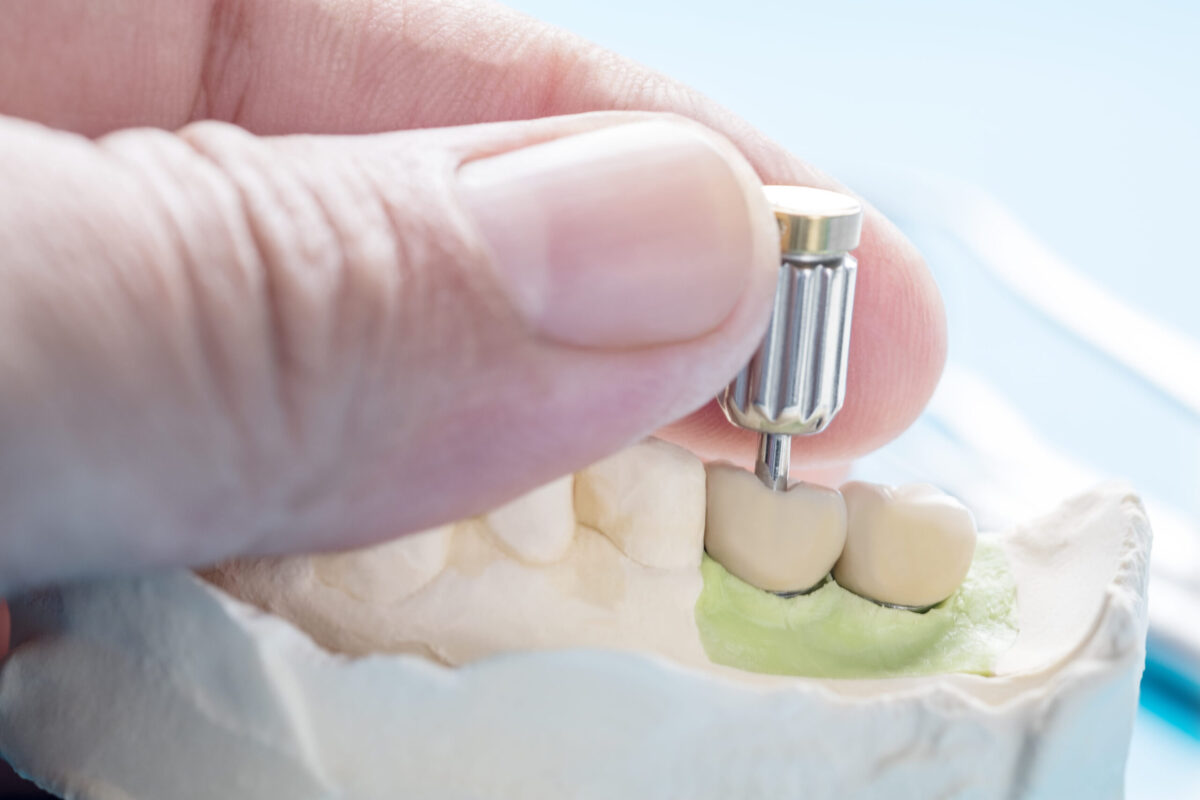
A dental implant replaces the entire tooth; a titanium post is placed in the jawbone to act as an artificial root, topped with a custom crown. A bridge, by contrast, replaces the missing tooth by anchoring a false tooth to the crowns of the teeth on either side of the gap, without any work below the gumline.
Longevity
This is often the biggest differentiator. Implants, when placed and maintained well, can last decades often a lifetime. Bridges typically last 10–15 years before needing replacement, since the supporting teeth and the bridge itself are under continuous wear.
Impact on Neighboring Teeth
Bridges require the two adjacent teeth to be reshaped and crowned to support the bridge, even if those teeth were previously healthy. Implants don’t touch neighboring teeth at all; they stand independently, which is a major reason many dentists recommend implants when the surrounding teeth are otherwise in good shape.
Bone Health
Implants actively help preserve jawbone density because the post stimulates the bone the way a natural root would. Bridges don’t offer this benefit the bone under the missing tooth can continue to shrink over time even with a bridge in place.
Cost and Timeline
Bridges are generally less expensive upfront and faster to complete often in two visits. Implants have a higher upfront cost and a longer timeline (the implant needs time to fuse with the bone before the crown is placed), but that investment often pays off in fewer replacements over your lifetime.
Who’s a Better Candidate for Which
Implants require adequate jawbone density and generally good gum health something we assess with imaging. If bone loss is significant, a bone graft can sometimes still make implants possible. Bridges can be a good option when neighboring teeth already need crowns anyway, or when a faster, lower-cost solution is the priority.
Getting a Straight Answer for Your Case
The right choice really does depend on your bone structure, your budget, and your long-term goals not a blanket rule. Schedule a consultation and we’ll give you a clear recommendation based on your actual mouth, not a generic comparison.
A missing tooth doesn’t just affect how your smile looks left alone, it can shift your bite, stress neighboring teeth, and gradually cause bone loss in your jaw. The two most common fixes are dental implants and bridges, and each has real advantages depending on your situation.
How Each Option Works
A dental implant replaces the entire tooth; a titanium post is placed in the jawbone to act as an artificial root, topped with a custom crown. A bridge, by contrast, replaces the missing tooth by anchoring a false tooth to the crowns of the teeth on either side of the gap, without any work below the gumline.
Longevity
This is often the biggest differentiator. Implants, when placed and maintained well, can last decades often a lifetime. Bridges typically last 10–15 years before needing replacement, since the supporting teeth and the bridge itself are under continuous wear.
Impact on Neighboring Teeth
Bridges require the two adjacent teeth to be reshaped and crowned to support the bridge, even if those teeth were previously healthy. Implants don’t touch neighboring teeth at all; they stand independently, which is a major reason many dentists recommend implants when the surrounding teeth are otherwise in good shape.
Bone Health
Implants actively help preserve jawbone density because the post stimulates the bone the way a natural root would. Bridges don’t offer this benefit the bone under the missing tooth can continue to shrink over time even with a bridge in place.
Cost and Timeline
Bridges are generally less expensive upfront and faster to complete often in two visits. Implants have a higher upfront cost and a longer timeline (the implant needs time to fuse with the bone before the crown is placed), but that investment often pays off in fewer replacements over your lifetime.
Who’s a Better Candidate for Which
Implants require adequate jawbone density and generally good gum health something we assess with imaging. If bone loss is significant, a bone graft can sometimes still make implants possible. Bridges can be a good option when neighboring teeth already need crowns anyway, or when a faster, lower-cost solution is the priority.
Getting a Straight Answer for Your Case
The right choice really does depend on your bone structure, your budget, and your long-term goals not a blanket rule. Schedule a consultation and we’ll give you a clear recommendation based on your actual mouth, not a generic comparison.